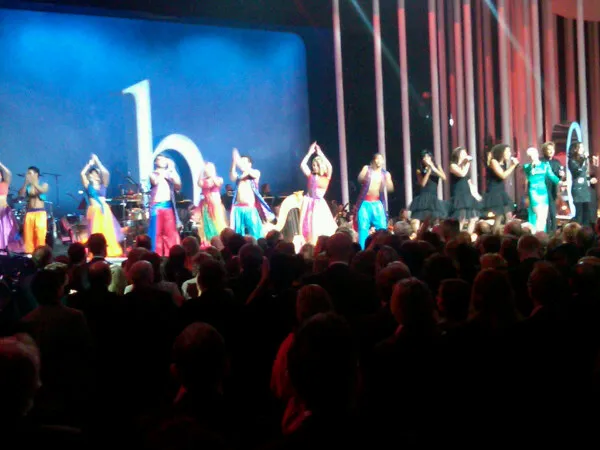
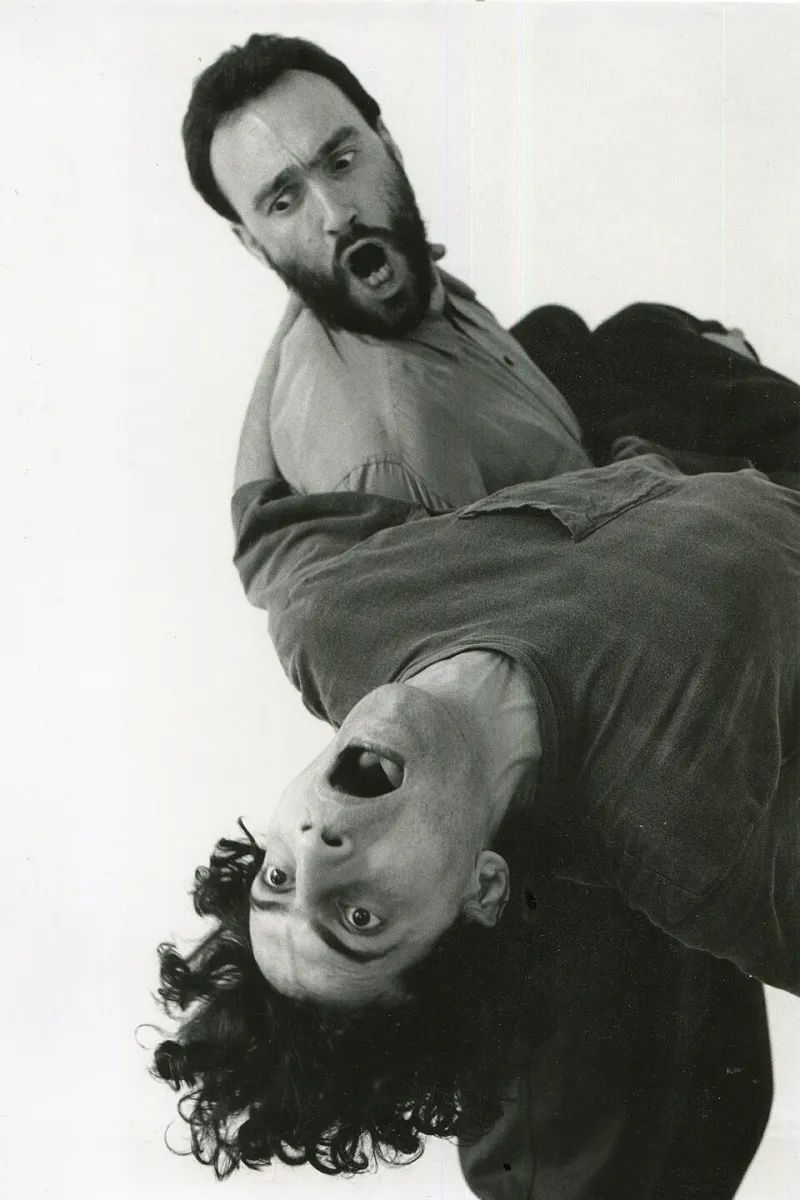
Beyond Jingle Bells: How Raga-Infused Holiday Performances Are Finding a Home in American Living Rooms and Concert Halls
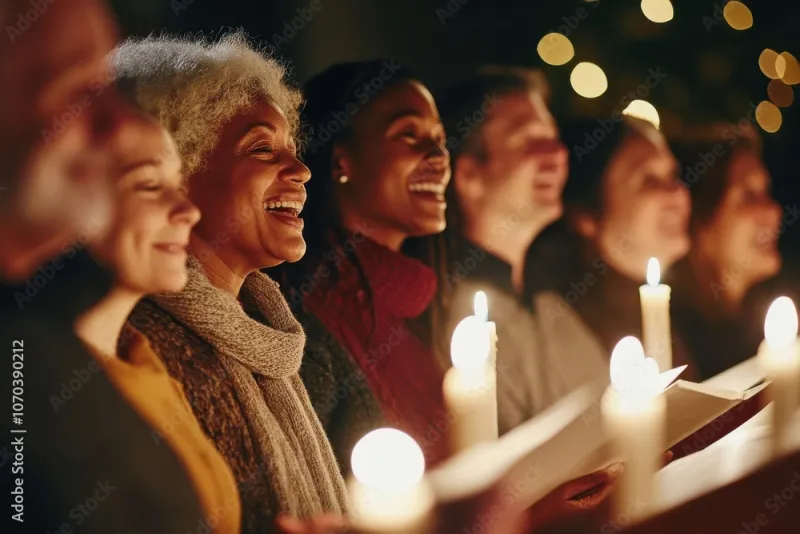
Photo: candlelit interfaith holiday concert diverse audience choir performance winter, via as1.ftcdn.net
The Holiday Soundtrack Is Getting a Makeover
For most Americans, December sounds like sleigh bells, Nat King Cole, and maybe a Handel oratorio if you're feeling fancy. But something's changing. Over the past few years, a growing number of families, event planners, and community organizations have started reaching out to groups like Bangalore Choir with a pretty surprising request: Can you bring ragas to our holiday event?
Not just Diwali. Not just cultural festivals. We're talking winter solstice gatherings in Vermont, secular holiday parties in Austin, interfaith candlelight concerts in Chicago. The demand is real, it's growing, and honestly, it makes a lot of sense once you hear it.
"The first time someone asked us to perform at their family's winter solstice dinner, I wasn't sure what to expect," says one of Bangalore Choir's senior directors. "But when we started singing — a slow, expansive Bhairavi raga — you could feel the room change. People got quiet in the best possible way. That's when I realized this music belongs in more spaces than we'd ever imagined."
What Makes a Raga Feel Like a Holiday
Here's the thing about ragas that most Western listeners don't immediately know: they're deeply tied to time, season, and mood. Indian classical music has a centuries-old tradition of assigning specific ragas to specific hours of the day and times of year. Ragas like Bhairav carry the weight of early winter mornings. Yaman has an evening openness that feels like watching the first snow fall. Malkauns sits in a meditative stillness that rivals any candlelit carol service.
For Americans who've grown up with holiday music designed to trigger nostalgia, there's something refreshing about music that creates presence instead. It doesn't remind you of a Hallmark movie. It puts you directly inside the moment you're already in.
Audience members at Bangalore Choir's recent winter performances have been pretty vocal about this. "I'm not Hindu, I'm not Indian, but I left that concert feeling like I'd actually processed something," said one attendee at an interfaith holiday concert in the Bay Area. "Most holiday music just makes me feel busy. That raga made me feel still."
Interfaith Concerts: Where Ragas Are Finding Their Biggest American Audience
Interfaith holiday programming has exploded in American cities over the last decade, driven largely by congregations and community organizations trying to acknowledge the full diversity of their neighborhoods. Choirs, ensembles, and performers of all kinds get booked for these events — and Indian classical vocal groups are increasingly on that list.
Bangalore Choir has performed at interfaith gatherings alongside gospel choirs, Jewish cantors, and Buddhist meditation musicians. What's notable is how naturally the raga fits into that context. It doesn't compete. It complements.
"Ragas have this quality of being devotional without being doctrinal," explains one of the choir's lead vocalists. "They come from a spiritual tradition, but they don't ask you to believe anything specific. That's incredibly valuable in an interfaith setting. You can be moved by the music regardless of what you believe."
Event organizers have noticed the same thing. A community center director in Minneapolis who booked Bangalore Choir for a December interfaith concert described the response as "unlike anything we'd seen before. People who usually drift out after their own tradition's segment stayed for the entire raga performance. Some of them came up afterward and asked what they'd just heard."
The Rise of the Custom Raga Commission
Maybe the most unexpected development in all of this is the custom performance request. Families — often with no direct connection to Indian culture — are reaching out to Bangalore Choir to commission raga-based performances for private holiday gatherings.
Think less "holiday concert ticket" and more "we want this as the centerpiece of our family's winter celebration." Some requests are incredibly specific: a family in Seattle asked for a raga suited to a late-afternoon winter gathering with mixed ages, including elderly grandparents and young kids. A couple in New York wanted something for a secular New Year's Eve party that felt meaningful rather than festive.
The choir has developed a process for these commissions that involves a real conversation about the gathering — its mood, its people, its purpose. From there, the musicians select or blend ragas that fit the emotional arc of the event. It's part musicology, part event design, and it's turning into a genuine niche.
"People are hungry for ritual," says the choir director. "American holiday culture has a lot of activity and not always a lot of meaning. When families find something that creates that sense of occasion — that feeling that something important is happening — they hold onto it. We've had families book us three years in a row now."
Winter Solstice and the Raga Connection
Of all the American holiday moments where raga has found an unexpected home, the winter solstice might be the most natural fit. Solstice events tend to attract people looking for something grounded in nature and seasonal rhythm rather than commercial tradition. Ragas, with their deep connection to time and environment, speak directly to that sensibility.
Several yoga studios and wellness centers have begun hosting solstice concerts featuring Bangalore Choir, framing the raga as a form of sonic ceremony for the longest night of the year. Attendees often describe these events in almost ritualistic terms — sitting in a darkened room, listening to a vocalist move through the slow unfolding of a late-night raga, feels less like a concert and more like a crossing.
"We lit candles, the choir started singing, and I genuinely lost track of time," said one participant at a solstice event in Portland. "I didn't know anything about the music going in. I just knew I wanted to be there when I left."
What This Means for American Holiday Culture
None of this means ragas are replacing Christmas carols or Hanukkah songs. That's not the point, and it's not what anyone is asking for. What's happening is more like an expansion — American holiday culture finding room for a different kind of sound, one that offers stillness where most holiday music offers stimulation.
For Bangalore Choir, it's an opportunity to do exactly what the ensemble has always aimed for: bring the richness of Indian classical vocal tradition into American life in ways that feel genuine, not gimmicky. The fact that it's happening during the most emotionally loaded time of the American calendar year says something real about how deeply this music can travel.
The raga doesn't need a holiday to justify it. But the holiday, it turns out, is a pretty good reason to finally listen.