Singing for Survival: The Real Numbers Behind Running a World-Class Indian Choir in America
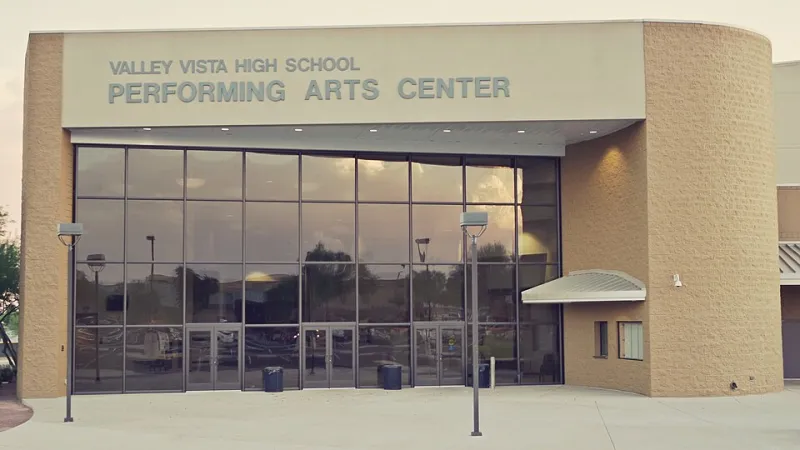
Photo: ArtKN, CC BY-SA 4.0, via Wikimedia Commons
Let's be honest — nobody gets into choral music for the money. But someone still has to pay the electric bill at the rehearsal hall, negotiate the sound engineer's rate, and figure out how to get forty singers from point A to point B without draining the treasury dry. Running a performing arts ensemble in the United States is equal parts passion project and small business hustle, and Bangalore Choir is no exception.
We sat down with choir leadership to get genuinely transparent about the financial machinery humming beneath every performance. What came out of those conversations was surprising, occasionally uncomfortable, and ultimately pretty inspiring.
Tickets Alone Don't Cut It — And Everyone Knows It
Here's the uncomfortable truth that most performing arts organizations dance around: ticket revenue, even at a sold-out show, rarely covers the full cost of putting that show on. For Bangalore Choir, a typical concert in a mid-sized American venue runs anywhere from $18,000 to $35,000 in production costs once you factor in venue rental, lighting and sound, program printing, marketing, and musician travel. Ticket prices — usually ranging from $25 to $65 depending on the event — can realistically cover maybe 40 to 55 percent of that total.
"We used to think if we just sold enough seats, we'd be fine," says one of the choir's founding organizers. "It took about one full season to understand that's not how this works. Tickets are important, but they're one leg of a stool that needs at least three."
That realization forced the leadership team to get creative — and get comfortable talking about money in ways that arts organizations historically haven't.
The Sponsorship Puzzle: Finding Partners Who Actually Get It
Corporate sponsorship is the second leg of that stool, and for an ensemble rooted in Indian classical and fusion vocal traditions, finding the right partners takes more than just cold-calling local businesses. Bangalore Choir has deliberately targeted companies with strong ties to South Asian communities — tech firms in Silicon Valley and the Research Triangle, Indian-owned businesses, and multinational corporations with significant operations in both the US and India.
The pitch isn't just "sponsor a concert." It's more nuanced than that. "We tell potential sponsors that they're buying access to one of the most economically active, culturally engaged demographics in the country," explains the choir's development director. "Indian-Americans punch well above their weight in terms of disposable income and community influence. Brands that understand that see the value immediately."
Sponsorship packages range from $2,500 for logo placement and social media mentions up to $25,000 for presenting sponsorships that include naming rights for a full concert series, VIP event access, and custom engagement opportunities. The choir has found that tech companies — particularly those with large South Asian employee bases — are often the most enthusiastic partners, sometimes even encouraging employees to attend performances as team-building events.
But not every partnership works out. The choir has turned down sponsorship offers that felt misaligned with its values — a lesson learned after one early arrangement with a brand whose messaging clashed with the choir's commitment to cultural authenticity. "Money with strings attached to your identity isn't worth it," the development director says flatly.
Grants: The Long Game Nobody Talks About
The third leg — grant funding — is where patience becomes a genuine financial strategy. Arts grants from organizations like the National Endowment for the Arts, state arts councils, and private foundations can be transformative, but the application process is slow, competitive, and requires a level of organizational documentation that many small ensembles simply aren't prepared for.
Bangalore Choir started building its grant infrastructure early, investing time in establishing 501(c)(3) nonprofit status, tracking attendance demographics, and documenting community impact — all things that grant committees want to see. That groundwork has paid off. The choir has successfully secured grants ranging from $5,000 to $40,000 from a mix of sources, including funds specifically designated for organizations promoting cultural diversity in the performing arts.
"The key insight was treating grant writing like a year-round activity, not a crisis response," says the choir's administrative lead. "You can't start thinking about your NEA application in February if the deadline is in March. You need to be building relationships with program officers months in advance."
For other small arts organizations reading this: the Foundation Directory Online is worth every penny of its subscription fee. And your state arts council's website likely has smaller, less competitive grant opportunities that bigger organizations overlook.
The Community Model: When Your Audience Becomes Your Investor
One of Bangalore Choir's more innovative financial moves has been the development of a tiered membership program — essentially turning loyal audience members into stakeholders. For an annual fee starting at $75, members receive priority ticket access, invitations to rehearsals and behind-the-scenes events, and the warm feeling of knowing they're directly sustaining something they love.
Higher membership tiers — reaching up to $1,200 annually — include perks like meet-and-greets with visiting artists, private concerts for small groups, and credits toward event rental partnerships. The program has grown steadily, now representing roughly 12 percent of total annual revenue.
"Our members aren't just fans," says the organizer. "They're genuinely invested in what we're building. When we had a venue fall through three weeks before a major concert, our member community helped us find a replacement space through their networks. That's not something you get from a ticket buyer you've never spoken to."
What Artistic Integrity Actually Costs
Here's the question that gets to the heart of everything: how do you make financial decisions without letting money dictate the music? It's a tension Bangalore Choir navigates constantly. There's always pressure to program more commercially accessible content — Bollywood medleys, crowd-pleasing fusion sets — because those shows sell faster. But the choir's identity is built on a deeper commitment to Indian classical vocal traditions and ambitious cross-cultural compositions that don't always have obvious mass-market appeal.
The answer, it turns out, is intentional programming balance. Each season is designed with a mix of accessible gateway performances and more challenging, artistically ambitious concerts. The former helps fund the latter. It's not a compromise — it's a strategy.
"We're not going to stop performing Carnatic compositions because they're a harder sell," the organizer says. "But we're also not going to pretend that programming doesn't have financial consequences. You have to hold both things at once."
Lessons for Any Small Performing Arts Group
If there's a takeaway from Bangalore Choir's financial journey, it's this: sustainability in the arts isn't accidental. It requires treating the business side with the same rigor and creativity you bring to the rehearsal room. Diversify revenue streams before you desperately need to. Build grant-readiness into your organizational DNA from day one. Find sponsors who genuinely align with your mission. And invest in your community, because an engaged audience is worth more than a passive one.
The music is the reason all of this exists. But the spreadsheets are what keep the music playing.